Admin
Admin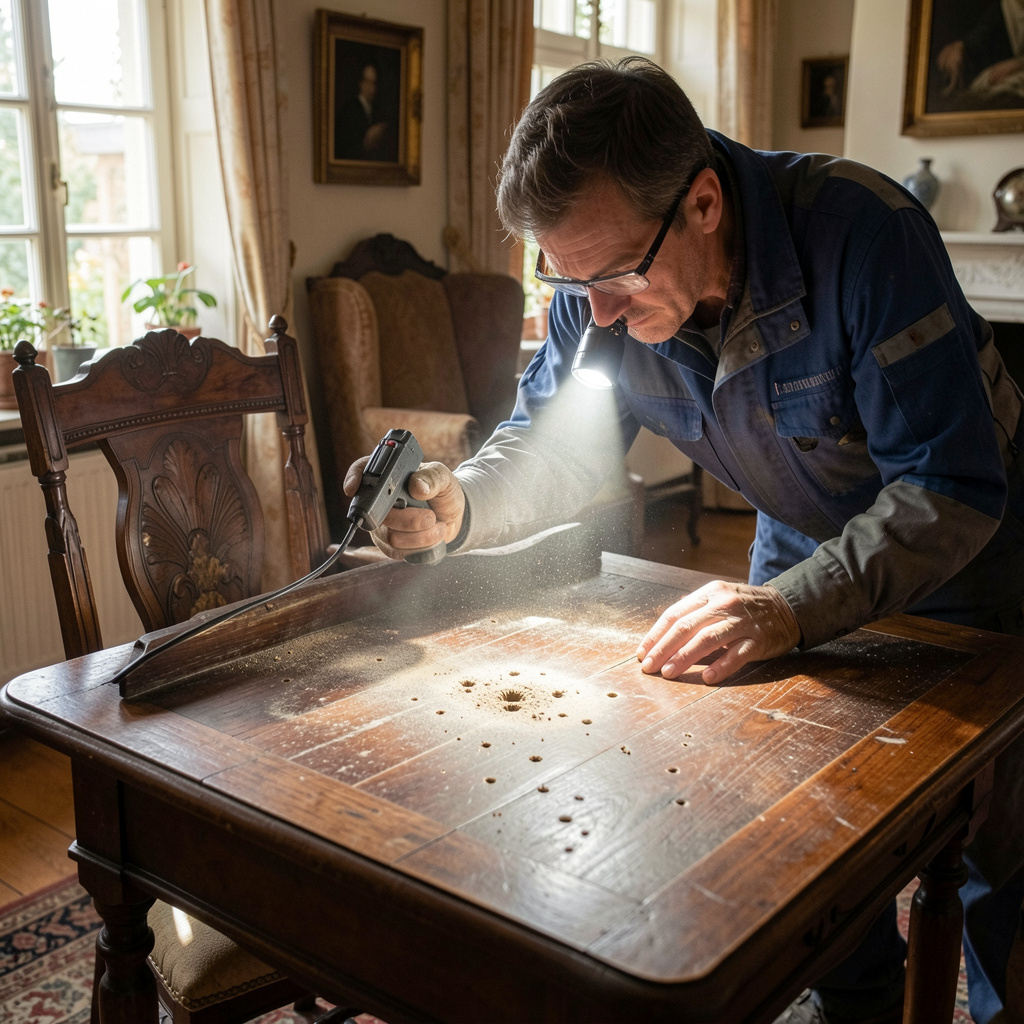
Antique furniture is more than just functional décor—it represents history, craftsmanship, and often a significant financial investment. Whether you collect Victorian cabinets, Georgian dining tables, Edwardian wardrobes, or handcrafted oak chests, preserving their condition is essential. One of the biggest threats to antique wooden furniture is woodworm, a hidden pest capable of causing years of damage before obvious signs appear.
Finding tiny holes in a valuable antique can be alarming, but it doesn’t always mean the piece is beyond repair. Many antiques have evidence of old woodworm activity that is no longer active, while others may require immediate treatment to prevent further damage. Knowing how to identify woodworm, assess the severity of an infestation, and protect your collection can save both money and irreplaceable heirlooms.
In this guide, we’ll explain everything collectors should know about woodworm in antique furniture, including warning signs, prevention strategies, treatment options, and buying advice.
What Is Woodworm?
Despite its name, woodworm is not actually a worm. The term refers to the larvae of several species of wood-boring beetles, including:
- Common Furniture Beetle (Anobium punctatum)
- Deathwatch Beetle (Xestobium rufovillosum)
- Powderpost Beetles (Lyctus species)
- House Longhorn Beetle (Hylotrupes bajulus)
Adult beetles lay eggs in tiny cracks, joints, or existing holes in wood. After hatching, the larvae burrow into the timber and feed on it for two to five years, although some species remain hidden for much longer.
The larvae cause nearly all of the damage, while adult beetles live only long enough to reproduce and lay eggs.
Why Antique Furniture Is More Vulnerable
Older furniture naturally attracts wood-boring beetles for several reasons.
Untreated Timber
Many antique pieces were made long before modern wood preservatives became widely available.
Without protective treatments, the timber is generally more susceptible to infestation.
Natural Aging
As wood ages, it develops:
- Small cracks
- Shrinkage
- Open joints
- Worn finishes
These imperfections provide ideal locations for female beetles to lay eggs.
Previous Infestations
Many antiques have experienced woodworm at some point during their long history.
Although old infestations are often inactive, existing exit holes may make the furniture more attractive for future egg laying if conditions are favorable.
Long-Term Storage
Antique furniture is frequently stored in:
- Barns
- Lofts
- Basements
- Garages
- Auction warehouses
If these environments are damp or poorly ventilated, the risk of woodworm increases significantly.
How to Identify Woodworm in Antique Furniture
Not every small hole indicates an active infestation.
Collectors should carefully inspect furniture before purchasing or restoring it.
Small Exit Holes
The most recognizable sign is tiny round holes, usually 1–3 mm in diameter.
Fresh holes have clean edges and lighter-colored wood around the opening.
Older holes often appear darker because of accumulated dust and age.
Powdery Frass
Fresh frass is one of the strongest indicators of active woodworm.
It resembles:
- Fine sawdust
- Cream-colored powder
- Dry wood dust beneath the furniture
If fresh frass continues to appear after cleaning, larvae may still be active.
Weak Timber
Wood weakened by internal tunneling may:
- Feel soft
- Crumble easily
- Develop loose joints
- Lose structural stability
Even if the exterior appears sound, internal damage may be extensive.
Live Beetles
Adult beetles usually emerge during late spring and summer.
Finding small brown beetles near antique furniture may indicate an active infestation.
Active vs. Old Woodworm Damage
One of the most important skills for collectors is distinguishing between active and historic damage.
Signs of Active Woodworm
- Fresh frass
- Clean-edged exit holes
- Live beetles
- New holes appearing over time
Signs of Old Woodworm
- Darkened exit holes
- No fresh powder
- Stable timber
- No visible insect activity
Many antique pieces contain old exit holes that no longer represent a current problem.
Can Antique Furniture Be Saved?
In most cases, yes.
Even furniture showing evidence of previous woodworm damage can often be restored successfully.
The best approach depends on:
- Whether the infestation is active
- The amount of structural damage
- The historical value of the piece
- The type of timber
Prompt treatment greatly improves the chances of preserving valuable antiques.
Should You Buy Furniture with Woodworm?
Finding woodworm doesn’t automatically mean you should avoid purchasing an antique.
Before buying, consider:
- Is the infestation active?
- Is the damage structural or cosmetic?
- Can the piece be professionally treated?
- Does the price reflect the condition?
- Is the furniture historically significant?
Many collectors purchase antiques with old woodworm damage because the infestation has long since ended.
However, active infestations should be considered carefully, particularly if treatment costs are substantial.
Can Woodworm Spread to Other Furniture?
Yes.
Adult beetles emerging from an actively infested antique can lay eggs on nearby untreated wooden furniture or structural timber.
For this reason:
- Isolate newly purchased antiques until inspected.
- Avoid placing untreated furniture near valuable collections.
- Monitor surrounding timber regularly.
Early detection helps prevent infestations from spreading.
How to Protect Antique Furniture
Proper care significantly reduces the likelihood of woodworm.
Maintain Stable Humidity
Aim for indoor relative humidity between 40% and 60%.
Avoid storing antiques in damp locations.
Improve Ventilation
Good airflow discourages excessive moisture accumulation.
Lofts, garages, and basements should be properly ventilated.
Inspect Regularly
At least twice each year, check for:
- Exit holes
- Fresh frass
- Loose joints
- Cracks
- Signs of beetle activity
Keep Furniture Clean
Regular dusting makes it easier to notice fresh powder beneath furniture.
Avoid Damp Storage
Never leave valuable antiques directly on damp concrete floors or against damp walls.
Treatment Options
The appropriate treatment depends on the severity of the infestation.
Surface Treatments
Localized insecticidal woodworm treatments are often suitable for minor infestations.
Professional Conservation
Museum-quality restoration is recommended for historically valuable antiques.
Professional conservators use techniques that preserve both the furniture and its original finish.
Structural Repairs
Severely weakened components may require careful replacement while maintaining the character of the piece.
Common Mistakes Collectors Make
Avoid these common errors:
Ignoring Small Exit Holes
Even tiny holes deserve investigation.
Assuming All Woodworm Is Active
Many antiques display historic damage that no longer poses a threat.
Storing Furniture in Damp Buildings
Poor storage conditions are one of the biggest causes of reinfestation.
Using Harsh DIY Treatments
Aggressive chemicals or improper sanding can reduce both the value and authenticity of antique furniture.
When Should You Call a Professional?
Professional advice is recommended if:
- Fresh frass continues appearing.
- The furniture has historical or financial value.
- Structural joints have weakened.
- Live beetles are present.
- Multiple antiques show similar signs.
- You’re uncertain whether the infestation is active.
A timber preservation specialist or qualified furniture conservator can assess the condition and recommend the most appropriate treatment.
Conclusion
Woodworm is a common issue in antique furniture, but it doesn’t have to mean the end of a treasured collection. Many valuable pieces contain evidence of old infestations that no longer pose a threat, while active infestations can often be treated successfully if detected early. The key is learning to recognize the difference between historic damage and ongoing beetle activity.
Regular inspections, proper humidity control, careful storage, and professional advice when needed will help preserve the beauty, strength, and value of your antiques. By taking preventive measures and responding quickly to any signs of woodworm, collectors can protect their investments and ensure these remarkable pieces continue to be enjoyed for generations.Further Reading: https://www.shashel.eu official site for microwave woodworm treatment equipment.